Age Well with WIHA
A newsletter from the Wisconsin Institute for Healthy Aging
Age Well with WIHA: November/December 2026
WIHA’s newsletter is published bi-monthly and sent by email. View the email newsletter online or read the full stories below. Don’t forget to subscribe!
Supporting Healthy Aging Habits
Creating Opportunities to Thrive at Every Stage of Life
September was Healthy Aging Month—an opportunity to reflect on what healthy aging means and how we can support health and well-being throughout the lifespan. As we carry that conversation forward, it’s also an opportunity to consider how the assumptions we encounter about growing older can shape people’s experiences, opportunities, and well-being. Aging is a lifelong process that looks different for everyone, and no single age defines a person’s health, abilities, interests, or capacity to contribute.
Taking a broader view of aging means recognizing people as individuals rather than basing our understanding of their needs simply on how old they are. Health, well-being, connection, and participation can take different forms over time, and people can continue to learn, grow, build relationships, and meaningfully contribute to their families, communities, and society throughout their lives. People of all ages and abilities can also build habits that support lifelong healthy aging, like:
- Staying physically active in ways that work for them
- Eating a healthy diet, including plenty of whole, nutrient-dense foods
- Maintaining supportive relationships with friends, family, and others in their communities
- Playing an active role in decisions about their health and health care
>Read More from the Office of Disease Prevention & Health Promotion
Staying Connected Helps Us Age Well
November 8-14 is Social Connection Awareness Week!
As we get older, our lives can change. We may retire, move to a new home, lose someone we love, or spend less time with coworkers and friends. These changes can sometimes make it harder to stay connected with others.
But staying connected is an important part of aging well.
Social connection means having people in our lives who make us feel cared for, supported, and included. This can be family, friends, neighbors, coworkers, volunteers, or people we meet through shared interests.
Connection is good for our health
Spending time with others can help us feel happier and less alone. It can also give us a sense of purpose and belonging. Staying connected may help us stay active, learn new things, and cope with life’s ups and downs.
Even small moments of connection can make a difference. A phone call with a friend, a chat with a neighbor, joining a class, or sharing a meal with others can help us feel connected.
There is no “right” way to connect
Everyone is different. Some people enjoy large groups, while others prefer one-on-one conversations. Some may enjoy volunteering, taking a class, or joining a club. Others may prefer a weekly phone call or coffee with a friend.
The important thing is to find connections that feel meaningful to you.
Take one small step
If you would like to build more social connection, start small. Call someone you have not talked to in a while. Invite a neighbor for coffee. Try a new activity at your local community center or library. Volunteer for something you care about.
Aging is not about becoming less involved. It is about finding new ways to stay connected, contribute, and enjoy the people and activities that matter to us.
A New Way to Think About Aging
Aging is a natural part of life. Yet, we often hear messages that make getting older sound like something to fear or avoid. These ideas can shape how we think about ourselves, our families, and our communities.
What if we looked at aging in a different way?
Reframing aging means changing the way we talk about and think about growing older. It does not mean ignoring the challenges that can come with aging. Instead, it means telling a fuller story—one that recognizes the strengths, experience, and contributions of older adults.
Aging is more than a number
People do not all experience aging in the same way. Many older adults continue to work, volunteer, care for family members, learn new skills, and contribute to their communities.
At the same time, some people face barriers that can make it harder to stay healthy and involved. These may include limited transportation, high housing costs, lack of access to health care, or physical and social barriers.
When we talk about aging, it is important to focus on both the challenges people may face and the opportunities to create communities where everyone can thrive.
Changing the conversation
The Wisconsin Institute for Healthy Aging (WIHA) is working across Wisconsin to help change the way we talk about aging and disability.
Through our Reframing Aging & Disability work, WIHA helps organizations and communities use language and messages that show older adults and people with disabilities as valued members of our communities. The goal is to move away from stereotypes and toward a more complete picture of people’s lives.
This work matters because the words we use can shape how people think and act. When we only talk about aging as a time of decline, we can miss the many ways older adults contribute to their families and communities. We can also make it harder to see the changes our communities can make to support healthy aging.
Building communities for all ages
Reframing aging is not just about changing words. It is about changing how we think about what is possible.
Communities can make it easier for people to stay active, connected, independent, and involved throughout their lives. Businesses, health care providers, community groups, policymakers, and each of us have a role to play.
Aging is something we all experience. By changing the conversation today, we can help create a Wisconsin where people of all ages and abilities are valued, included, and able to live well.
Featured Program: Mind Over Matter: Healthy Bowels, Healthy Bladder
Mind Over Matter (MOM) is an interactive and fun workshop designed to prevent or improve bladder and bowel symptoms. A trained facilitator leads the 3-session (2 hours per session) workshop that meets every other week. Participants work together to set and meet personalized goals and create a feeling of self-confidence in their ability to avoid or reduce incontinence symptoms.
Research: Mind Over Matter was researched and shown to improve bladder leakage symptoms in 71% and improve bowel leakage in 55% of participants. In addition, the program may decrease the reliance on incontinence-related products, medications, and even surgeries.
Who is it for: Mind Over Matter was designed to help women over 50 build the skills and confidence they need to prevent or improve incontinence symptoms.
How to participate: You can participate in Mind Over Matter in-person or virtually. Find a workshop near you.
“Since taking Mind over Matter, my urine leakage problem is so much better. Thank you for helping.”
Participant
Wisconsin
In this Issue
Age Well Series
Watch the recordings of recent events here:


Upcoming Events:
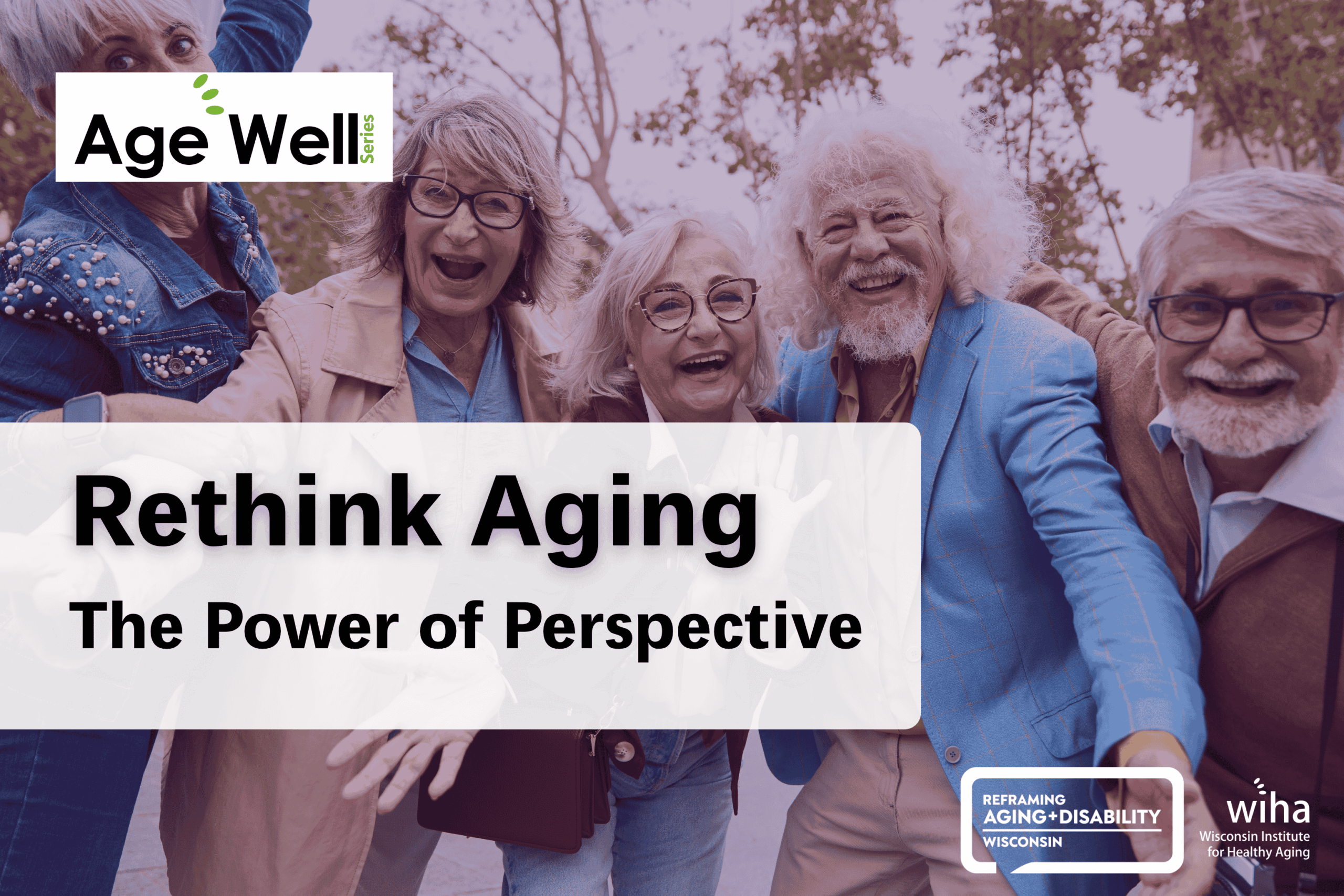
Aging Advocacy 101

The Wisconsin Aging Advocacy Network is pleased to offer Advocacy 101 Trainings.
There are three opportunities in November and December for older adults and family caregivers to learn the basics of advocacy, practice skills with other participants, and learn how to engage policymakers.
Learn more and register at gwaar.org/aging-advocacy-101.
These are FREE and open to the public.
Your Support Helps People Thrive at Every Age
At Wisconsin Institute for Healthy Aging (WIHA), we work with organizations across the state to offer programs empowering people across Wisconsin to prevent falls, manage chronic conditions, and take charge of their well-being.
But we can’t do it without you.
Your gift helps us reach more communities with life-changing workshops and resources. It means one more grandmother stays on her feet, one more neighbor learns to manage their diabetes with confidence, one more person finds connection and purpose.
When you give to WIHA, you’re not just making a donation — you’re investing in a healthier future for all of us as we age.
Will you join us in building a stronger, healthier Wisconsin?
Make your gift today and be a part of the movement for healthy aging.
Thank you for being a friend to WIHA and a champion for healthy aging!
Find a Workshop
Take charge of your health by taking a WIHA workshop. We offer in-person and virtual (online or by phone) programs that give you the tools to age well. Getting started is easy – simply click the link below.
Enjoyed the newsletter? Subscribe today!