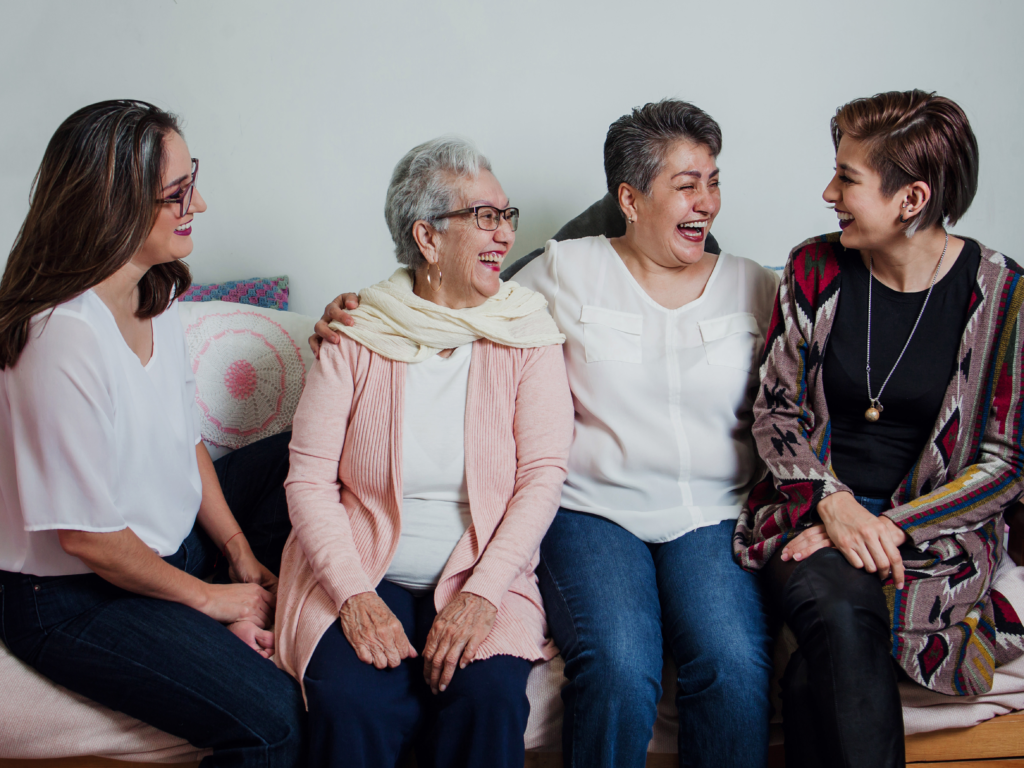
Age Well with WIHA
A newsletter from the Wisconsin Institute for Healthy Aging
Age Well with WIHA: September/October 2026
WIHA’s newsletter is published bi-monthly and sent by email. View the email newsletter online or read the full stories below. Don’t forget to subscribe!
Keep Our Brains Healthy As We Age
Brain health is about more than memory. It can affect how we learn, solve problems, make decisions, connect with others, and stay active and independent.
We all experience aging differently. Some changes in memory and thinking are a normal part of getting older. Other changes may be a sign that it is time to talk with a health care provider. Paying attention to our brain health is one part of taking care of our overall health and well-being.
Small choices can make a difference
There are many things we can do to support our brain and overall health:
- Move your body. Walking, dancing, swimming, gardening, and other activities can help your brain and body stay healthy.
- Eat well. Foods such as vegetables, fruits, whole grains, fish, nuts, and beans can support brain health.
- Keep learning. Try a new hobby, read a book, take a class, or learn a new skill. New experiences can help keep your brain active.
- Get enough sleep. Good sleep gives your brain time to rest and recover.
- Stay connected. Spending time with friends, family, neighbors, and others can support your brain and emotional well-being.
- Manage stress. Find healthy ways to handle stress, such as taking a walk, spending time with others, enjoying a hobby, or practicing deep breathing.
- Manage health conditions. Work with your health care provider to manage conditions such as high blood pressure, diabetes, and heart disease.
- Avoid smoking and limit alcohol. Not smoking and limiting alcohol can support your brain and overall health.
- Protect your head. Wearing a seat belt, using a helmet when needed, and taking steps to prevent falls can help protect your brain from injury.
- See your doctor. Regular checkups can help you stay on top of your health and identify concerns early.
You do not need to change everything at once. Start with one small step that works for you.
Your brain can keep growing and changing
Getting older brings opportunities to learn, connect, contribute, and try new things.
Your life experiences are valuable. The skills you have built over the years can help you solve problems, support others, and take on new challenges.
Brain health is about supporting your health and making the most of every stage of life.
Learn more about brain health
The Wisconsin Institute for Healthy Aging (WIHA) offers resources to help you learn more about brain health and healthy aging. You can find information, tools, and other resources to help you take steps to support your brain and overall well-being.
Explore WIHA’s Brain Health Resources
Taking care of your brain is an important part of taking care of yourself. Every day is an opportunity to learn something new, stay connected, and support your health.
Building Balance Through Connection
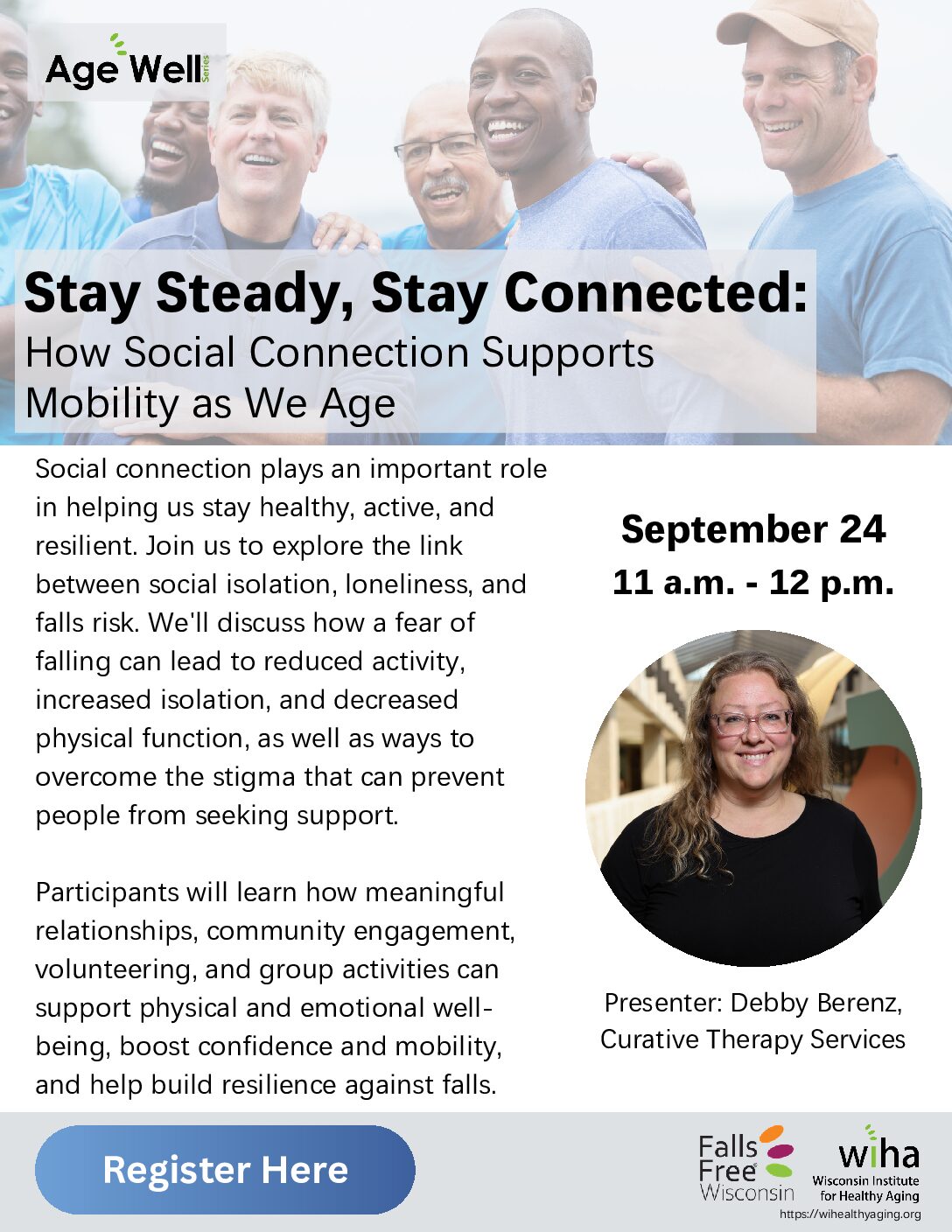
September is Falls Prevention Awareness Month! The Falls Free Wisconsin Coalition, a statewide effort to reduce falls as we age, encourages us to add connection to our toolbox this September and beyond. Strong social connections help us stay active, supported, and mobile as we age.
Most of us feel lonely at some point in our lives, and for many people those feelings are temporary. People of all ages and backgrounds can experience loneliness or social isolation (meaning having little or no regular contact with others). As we age, the risk of loneliness and isolation can increase, and for many older adults, it can become a regular part of life.
Social connection, on the other hand, means having meaningful relationships and feeling like we belong, are cared for, and are supported. Strong social connections don’t just make life better, they also help protect our health and can lower the risk of heart disease, stroke, dementia, depression, anxiety, and even falls.
Here are some simple ways to stay connected and active, and help reduce our risk of falling as we age:
- Attend a community exercise class—and invite a friend to join you!
- Check in on friends or neighbors on a regular basis.
- Ask someone you trust to go with you to a doctor’s appointment for support and an extra set of ears.
- Try something new together, like using mobility tools like walking poles, or a new activity.
- Visit a congregate meal site to enjoy a healthy meal and connect with others.
- Turn shoe shopping into a social outing while choosing safe, supportive footwear.
- Help family or friends schedule important appointments like a medication review or vision check.
- Make movement social—walk, dance, stretch, or stay active together.
Small moments of connection can make a big difference. They help us stay healthy, confident, and steady as we age.
While falls are common, they are not a normal part of aging. If you have fallen, you are not alone. According to the Centers for Disease Control and Prevention (CDC), more than 1 in 4 adults aged 65 and older fall each year. Staying connected to the people and communities around us is an important way to stay strong, mobile, and independent.
Explore FallsFreeWI.org to find tools and resources, including a balance and strength exercise guide to try with a friend and more. You can also discover ways to build relationships and belonging at ConnectWI.org.
5 Ways to Reduce Your Risk of a Fall
While falling may seem to be common as we age, it can be prevented! There are many things that we can do that decrease our risk of falling. As falls may lead to injuries such as hip fractures or traumatic brain injuries, it is important to take action to reduce our risk of falls. Fewer falls means more confidence and independence to continue doing the things we love as we age!
Modify your home:
- Did you know? Most falls happen in your home. As we often spend a lot of time at home, by making some easy changes we can make our homes safer. Add nightlights to your bathroom and dark hallways, install grab bars in your bathroom, remove clutter on stairs and throughout walkways and remove throw rugs and other tripping hazards.
Review your medications:
- Certain medications may affect your balance. Talk to your provider or pharmacist about doing a medication review to see if any of the medications or supplements you take might increase your risk of falling. Any time you get a new medication, or a new dosage, ask about falls risk and interaction with your other medications.
Practice strength and balance exercises:
- I think we’ve all been told it before- exercise, exercise, exercise! Adding some simple strength and balance exercises to your day can improve your stability and help you to remain independent in your home. Joining a group exercise class is another great way stay active, while improving your strength and balance. View some simple strength and balance exercises here.
Check your shoes and vision:
- Our vision changes as we age. Getting regular eye exams, at least once a year, can help catch vision changes. Just as we should check our vision regularly, we should also check our shoes! Replace shoes with worn tread. Wear shoes that provide good support to help you stay upright.
Take an evidence-based falls prevention class:
WIHA’s Stepping On program is proven to reduce falls by 31%! In Stepping On workshops, we take fall prevention step-by-step. You’ll learn how to build and maintain the physical strength and balance you need to walk confidently and learn how to decrease your risk of falling. Stepping On workshops are held once a week (one 2-hour session per week) for 7 weeks and are conducted by trained facilitators statewide.
Find more falls prevention resources here:
Find a Workshop
Take charge of your health by taking a WIHA workshop. We offer in-person and virtual (online or by phone) programs that give you the tools to age well. Getting started is easy – simply click the link below.
Enjoyed the newsletter? Subscribe today!
In this Issue
Age Well Series
Watch the Recording of Past Events:

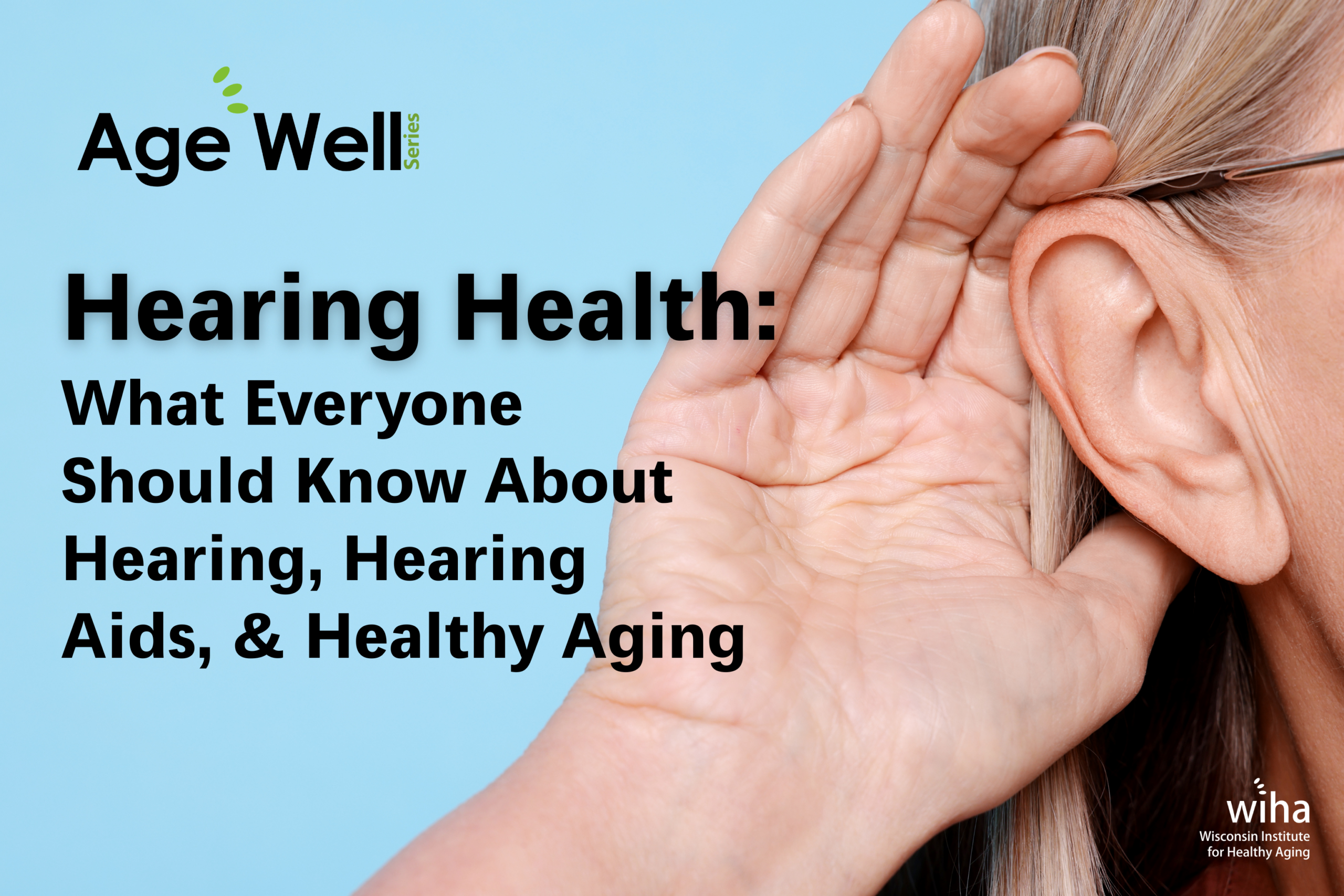
Upcoming Events:

Virtual Stepping On Workshop
Join the Wisconsin Institute for Healthy Aging (WIHA) for a virtual Stepping On workshop beginning September 28. Spend two hours each week through November 16 learning practical strategies to reduce your risk of falls while connecting with others in a supportive, interactive setting.
Call Suzanne at 608-852-0813 or email falls@wihealthyaging.org to register. Workshop fee: $25.
Can’t make the virtual workshop, or would rather attend in person? Find a Workshop to locate a Stepping On workshop near you. New workshops are added regularly, so be sure to check back often!
Featured Program: Stepping On
Stepping On is a fun, interactive workshop designed to help prevent falls. Trained facilitators lead the 7-session (2 hours per session) workshop that meets every week. Participants learn balance and strength exercises; discuss the many factors that can cause a fall including vision, footwear, and home hazards; and hear from guest experts such as a pharmacist and physical therapist who attend the sessions and answer questions.
Research: Stepping On is researched and shown to decrease falls by 31%! Fewer falls means more confidence and independence to continue doing the things we love as we age!
Who is it for: Stepping On is designed for older adults that live independently, don’t use a walker indoors, don’t use a wheelchair, and are without a diagnosed cognitive impairment.
How to participate: You can participate in Stepping On in-person or virtually. The workshop is offered in both English and Spanish (Pisando Fuerte). To find a workshop, visit our Find a Workshop page.
“I don’t want to be another stat and I believe the class helped me understand how not to become one.”
Jan Severson
Dane County, WI