
Age Well with WIHA
A newsletter from the Wisconsin Institute for Healthy Aging
Age Well with WIHA: May/June 2026
WIHA’s newsletter is published bi-monthly and sent by email. View the email newsletter online or read the full stories below. Don’t forget to subscribe!
Living with Purpose
Finding Meaning in Everyday Life
What gets you up in the morning? It might be family, helping a neighbor, volunteering, learning something new, or simply enjoying a daily routine. That feeling of having a reason to start the day is called purpose. Purpose plays an important role in health and well-being as we age.
Purpose can be found in many places—relationships, hobbies, faith, work, or giving back. It doesn’t have to be one big goal. Often, it shows up in small, everyday moments that feel meaningful.
Finding a sense of purpose starts with noticing what feels important. Think about moments that bring joy or satisfaction. What activities make time fly by? What do others often ask for help with? Purpose grows when we try new things, stay curious, and connect with others. It’s okay if it changes over time—purpose is something we continue to shape through our experiences.
Benefits of Purpose
Research shows that having a sense of purpose is linked to better health. People with a sense of purpose are often more active, sleep better, and have lower risk of memory loss or dementia. They also tend to live longer. Purpose can also help lower stress and build stronger relationships with others.
The good news is that purpose doesn’t have to be something big or complicated. Small actions matter. Calling a friend, caring for a pet, joining a class, or sharing a skill can all help build a sense of purpose.
Opportunities to Stay Engaged
Over time, we build experience, knowledge, and perspective. These are strengths that can be shared with others. Staying connected and involved supports well-being and helps communities grow stronger. Each stage of life brings new ways to learn, grow, and contribute.
Learn More at an Upcoming Talk
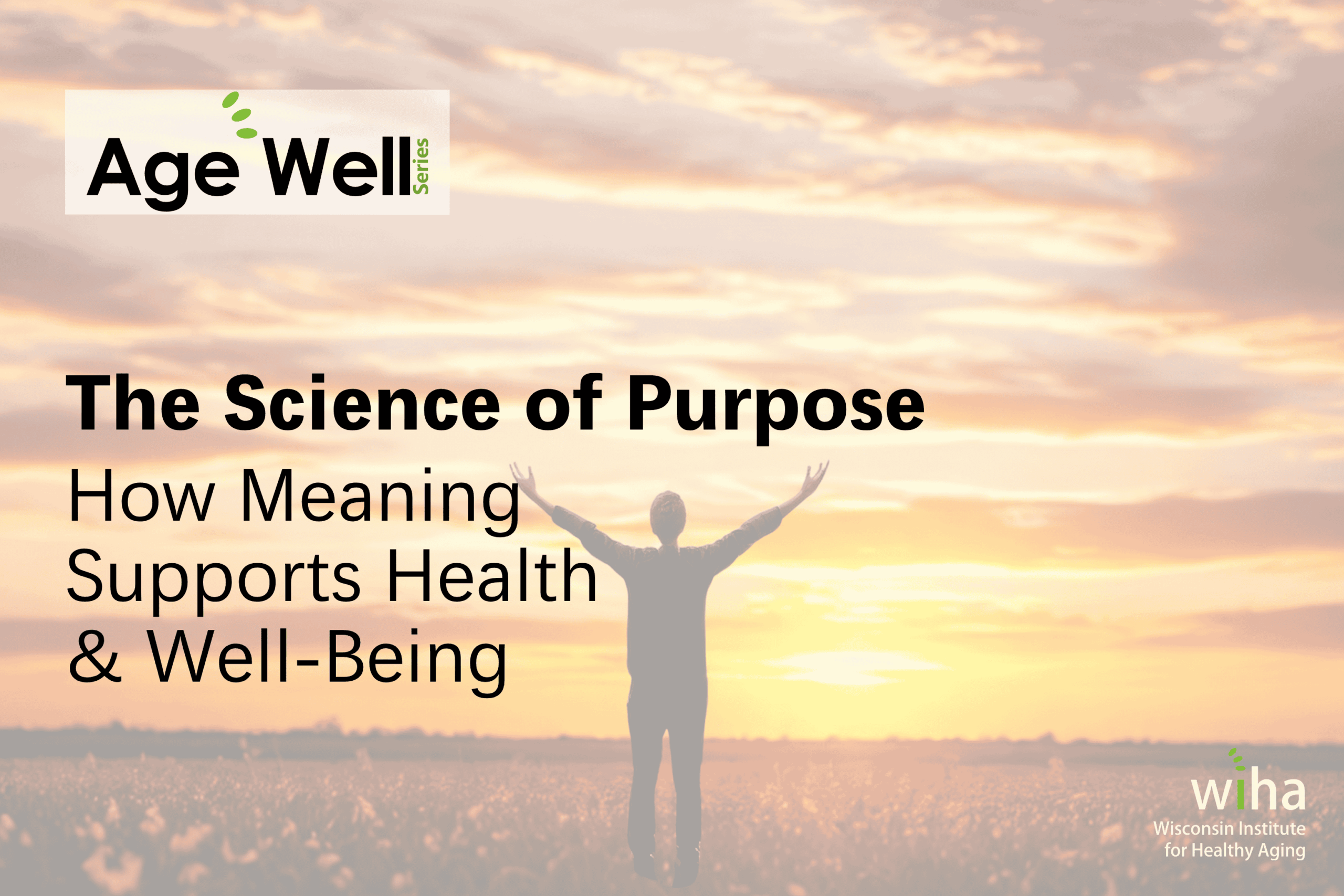
We’re excited to highlight an upcoming presentation featuring Dr. Stacey M. Schaefer from the UW–Madison Institute on Aging. Dr. Schaefer will share what science tells us about purpose and how it supports brain health, emotional well-being, and quality of life.
Learn more here.
A Simple Step Forward
Take a moment today to think about what matters most. What brings a sense of meaning? One small step—like trying something new or reaching out to someone—can make a difference.
Purpose isn’t something we find once—it’s something we continue to build, every day.
Hydration and Healthy Aging
Small Sips, Big Impact
Staying hydrated is one of the simplest ways to support health. As we grow older, it becomes even more important—and a great opportunity to care for our bodies in new, mindful ways.
Why Hydration Matters
Water helps the body do many important jobs. It supports digestion, keeps joints moving, and helps the heart, brain, and kidneys work well. It also helps control body temperature and carry nutrients where they are needed.
When the body does not get enough fluids, dehydration can happen. This can lead to tiredness, confusion, falls, bladder leakage, constipation, and other health concerns.
The good news: drinking enough fluids is a simple habit that supports strength, focus, and overall well-being.
How Hydration Changes with Age
Aging brings natural changes, and our hydration needs change too.
- Less thirst: Older adults may not feel thirsty as often, even when the body needs fluids.
- Lower body water: The body holds less water over time due to changes in muscle mass.
- Kidney changes: The body may not hold onto water as well as it once did.
- Daily factors: Medications, health conditions, and even busy routines can affect how much we drink.
These changes mean hydration takes a bit more attention—but also offers a chance to build healthy routines that support aging well.
Simple Tips to Stay Hydrated
Healthy aging is about small, steady habits. Here are easy ways to stay hydrated each day:
- 1. Sip often
Do not wait until feeling thirsty. Take small sips throughout the day. - 2. Keep fluids nearby
Place a glass or bottle of water within easy reach. - 3. Enjoy a variety of drinks
Water is great, but milk, tea, and soups also help with hydration. - 4. Eat water-rich foods
Fruits, vegetables, and yogurt add fluids to the body. - 5. Build it into routines
Drink a glass of water with meals or when taking medications. - 6. Watch the signs
Dark urine, dry mouth, or feeling tired may mean it is time to drink more.
How Much Fluid Is Enough?
Fluid needs are different for everyone. Many older adults need around 50-70 ounces (roughly 6–8 cups) of fluids per day. This includes fluids from foods and beverages. Fluid recommendations can change based on health, weather, and activity level.
A simple guide: aim for light-colored urine and steady energy during the day.
A Positive Step Toward Well-Being
Hydration is not about strict rules—it is about supporting the body in ways that feel good and fit daily life.
Each glass of water is a small act of care. Over time, these small steps add up to stronger health, clearer thinking, and more energy to enjoy what matters most.
Staying hydrated is one simple way to keep moving forward with strength and purpose.
Learn Your Health Priorities
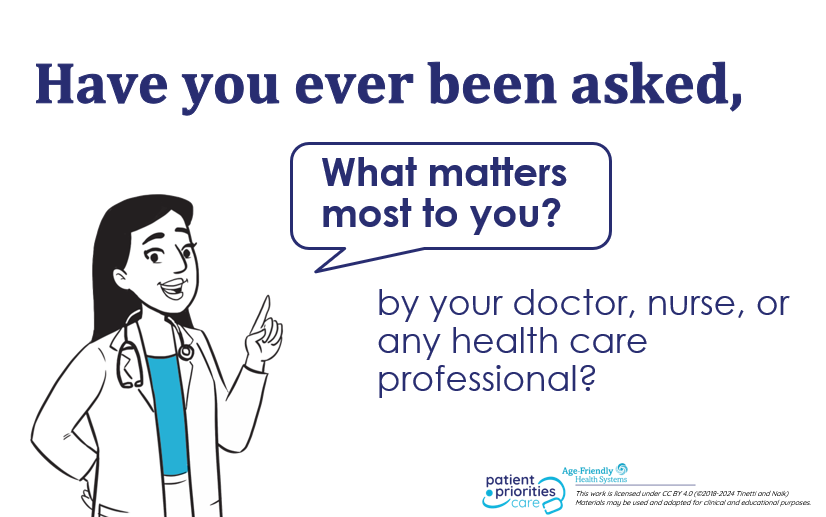
Take a questionnaire from MyHealthPriorities to discover what matters most to you and to help you identify your Health Priorities in order to make better care decisions with your health care team.
In this Issue
Age Well Series
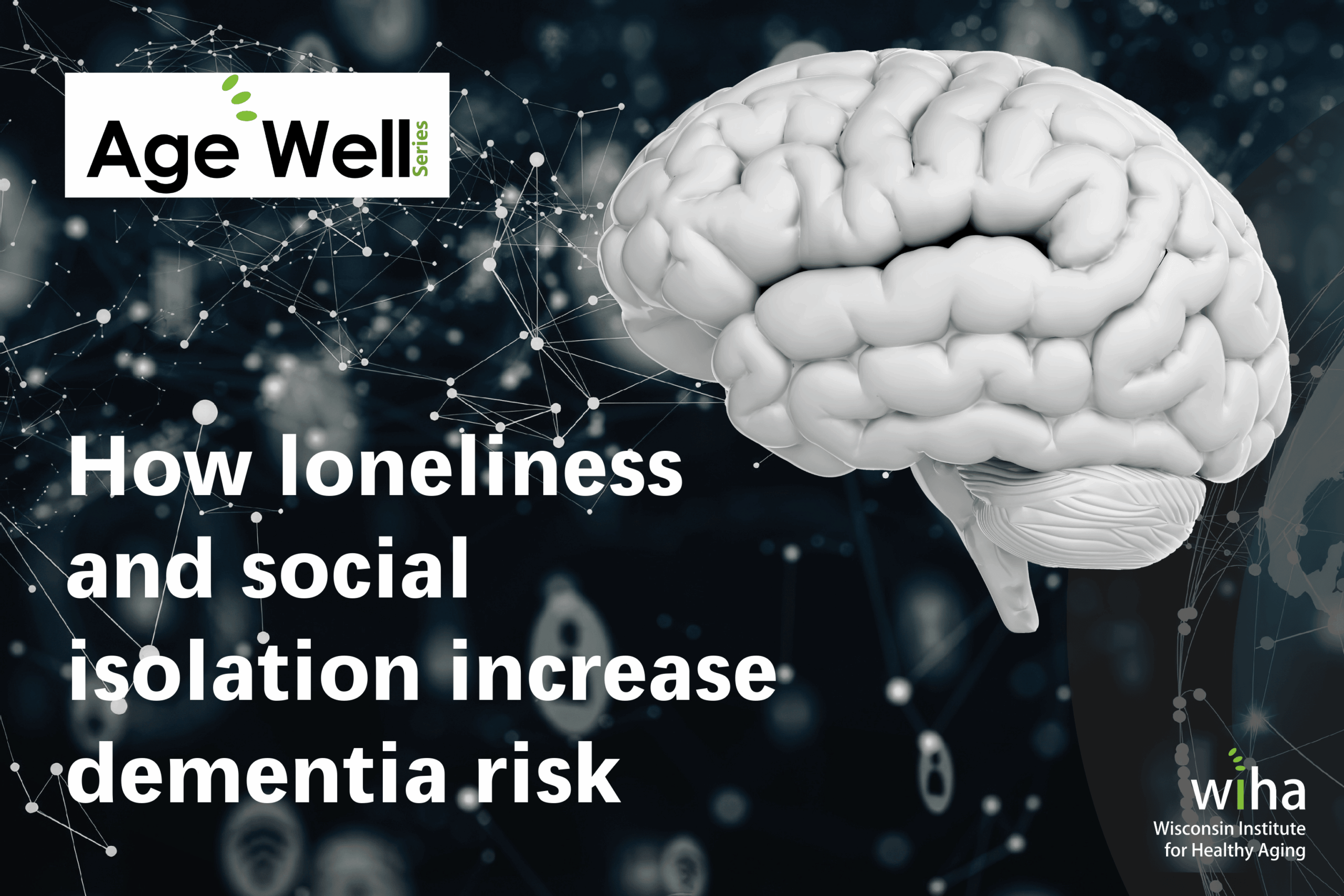
Our Age Well series has been going steady with some great presentations the past few months! See our most recent events here:
Upcoming Events:
Stay Mobile & Independent With Confidence!
We all want to stay mobile, independent, and able to do the things we enjoy as we age. One way to do that is by lowering our risk of falls. Falls may be common, but they are not a normal part of aging. There are simple steps we can take to stay steady and confident.
Practice Balance & Strength Exercises: Doing balance exercises every day and strength exercises a few times a week can help us move safely. Strong muscles and good balance make daily activities—like walking, getting out of bed, or playing with grandkids—easier and safer.
Improve Safety at Home: Small changes can make a big difference. Keep walkways clear, add good lighting, secure loose rugs, and install grab bars in places like the bathroom.
Use Assistive Devices: Tools like canes, walkers, and walking poles can help us stay steady. They give us extra support so we can move with confidence and make daily tasks easier.
Manage Your Medications: Ask your doctor or pharmacist to review your medications at least once a year, or anytime something changes. Some medicines can affect your balance or make you feel dizzy.
Wear Safe Footwear: Choose shoes that fit well and support your feet. Look for shoes with laces, a non-slip sole, and a closed heel. To prevent slips and trips, avoid flip-flops, loose sandals, high heels, and slippers.
Pay Attention to Your Surroundings: Watch where you’re walking and look ahead for uneven ground or obstacles. Take your time and move carefully to stay safe.
Consider Vision Changes: Our vision may change as we age. Get your eyes checked every year. If you get a new prescription, give yourself time to adjust and be extra careful at first.
If you have had a fall, you are not alone. According to the Centers for Disease Control and Prevention (CDC), more than 1 in 4 adults aged 65 and older fall each year. The good news is there are steps we can take to stay safe as we age. Use the tips above to stay strong, steady, and independent.
Visit FallsFreeWI.org to find helpful tools and resources, including a falls risk check-up, balance and strength exercise guide, an interactive Home Safety Challenge, and more.
Find a Workshop
Take charge of your health by taking a WIHA workshop. We offer in-person and virtual (online or by phone) programs that give you the tools to age well. Getting started is easy – simply click the link below.
Featured Program: Healthy Living with Chronic Pain
September is Chronic Pain Awareness Month. According to the Center for Disease Control and Prevention, in 2016, approximately 50 million adults in the United States were experiencing chronic pain. Finding a way to manage chronic pain can be important.
There are self-management skills that can help you get your life back and find ways to manage the pain. If you have chronic pain, healthy eating may mean that you need to be more selective with the foods that you eat and the amount you eat. Eating a variety of foods, especially vegetables and fruits, can help decrease your pain. Also, having good sleep habits such as having a regular rest and sleep schedule, making sure that you have a comfortable bed, and that the room is a comfortable temperature can help. Next, learning the signals that your body is sending you that you are overdoing an activity can be important. You may need to modify an activity or balance the activity with rest to help manage your pain. Finally, planning regular exercise is important to control chronic pain. Moderate exercise can be accomplished in short periods to help lessen pain, improve functioning, and boost your mood.
Different pain management strategies will not necessarily eliminate your pain. However, the strategies may help you better control your pain. Healthy Living with Chronic Pain is an evidenced-based workshop designed to explore ways to better manage your chronic pain and help you build a “pain management toolbox.” This small group workshop covers a variety of topics including physical and emotional well-beings, healthy eating, better sleep, and better communication.
Learn more about Healthy Living with Chronic Pain
Research: Healthy Living with Chronic Pain is researched and shown to improve confidence in pain management, lessen pain and dependence on others, improve mental health, improve energy, reduce pain, improve understanding of pain and coping skills.
Who is it for: Healthy Living with Chronic Pain is designed for any adult who has or who lives with someone with chronic pain.
How to participate: You can participate in Healthy Living with Chronic Pain in-person, at a distance, or on your own! Find a workshop near you!
“Habit building -like you have to stick with it and re-enforce it. Even when you’re doing well, you have to reassess, so you are not necessarily getting away from the good habits you have built. Learning to always be accountable to yourself.”
Dawn Gruber
Racine County
Enjoyed the newsletter? Subscribe today!