

Age Well with WIHA
A newsletter from the Wisconsin Institute for Healthy Aging
Age Well with WIHA: March/April 2026
WIHA’s newsletter is published bi-monthly and sent by email. View the email newsletter online or read the full stories below. Don’t forget to subscribe!
Supporting Healthy Aging from the Inside Out: Why Gut Health Matters
Protecting our health often means focusing on heart health, mobility, memory, and independence. But one powerful and often overlooked factor connects them all: gut health.
The gut microbiome — the trillions of bacteria living in our digestive tract — plays a critical role in digestion, immune function, inflammation regulation, metabolism, and even brain health. A diverse and balanced gut microbiome helps regulate blood sugar, supports cardiovascular and immune health, and keeps your digestive system working well.
This is very important as we age. Chronic inflammation and metabolic imbalances are key drivers of many chronic conditions. A healthy gut can help reduce inflammation, strengthen the immune system, and support metabolic health — all essential for maintaining resilience and independence.
How Whole, Minimally Processed Foods Help
One of the simplest and most effective ways to support gut health is to eat whole, minimally processed foods. Highly processed foods are often low in fiber and high in added sugars and refined ingredients. Research has linked high consumption of ultra-processed foods with increased risk of cardiovascular disease and other chronic conditions.
Whole foods provide the fiber and nutrients that feed beneficial gut bacteria and help your microbiome thrive.
Key Takeaways for Healthy Aging
- Eat a variety of whole foods: Vegetables, fruits, whole grains, lean proteins (like fish, chicken or turkey breasts, eggs, tofu, and/or legumes), and healthy fats (such as olive oil, avocado, nuts, and some dairy) support a diverse and healthy gut microbiome.
- Choose balanced dietary patterns: Overall eating patterns support gut health better than focusing on single “superfoods” or supplements.
- Minimize ultra-processed foods: Packaged and highly processed foods can reduce microbial diversity and promote inflammation.
- Each person has unique food preferences and potential sensitivities: It is helpful to explore what is best for your individual health by working with a dietician in order to determine your unique situation and dietary requirements.
Dietary patterns rich in whole, minimally processed foods are consistently associated with lower risk of heart disease, diabetes, and other chronic conditions — all central to healthy aging.
Bottom Line
Healthy aging isn’t just about adding years to life — it’s about adding life to years. While each person has unique nutritional needs, nourishing your gut with whole, minimally processed foods is a simple, practical, evidence-based step toward staying active, engaged, and independent.
The Power of Staying Connected
At WIHA, we know that healthy aging includes caring for our relationships as much as our bodies. Social connection means talking with friends, spending time with family, and feeling like we belong. Strong social ties are linked to better health and longer life. A recent research brief notes that strong social support has been shown to slow biological aging and help people stay healthier longer.
Why Social Connection Helps Us Thrive
As we age, staying connected becomes even more important. Loneliness and social isolation are linked to increased risk of heart disease, depression, and cognitive decline. Regular face-to-face contact may help reduce feelings of loneliness more effectively than phone or online contact. When we share time with others, we feel supported, valued, and happier, and that positive mood helps to stay engaged in life.
Everyday Ways to Build Connection
Connection can happen in many simple ways. You might call a friend, have lunch with a neighbor, join a class, or help out at a local event. (See more ideas at Connect with Others.) Even small acts like saying hello or sharing a story can lift someone’s spirits. Making time for meaningful conversations and group activities helps keep minds active and hearts full.
A Wisconsin Effort to Help Everyone Connect
The Wisconsin Coalition for Social Connection works to make social connection a priority for older adults and people with disabilities. The coalition brings together community groups, service providers, and individuals to share ideas and programs that help people build relationships and feel a sense of belonging. Learn more about the benefits of staying connected on our partner website: https://connectwi.org
A Simple Step Today
Healthy aging is not just about diet or exercise. It also includes nurturing friendships and community ties. Reach out to someone today, join a local event, or invite a neighbor for coffee. Every connection we make can help us feel happier, healthier, and more energized. Together, we can build communities where everyone has a chance to age well and stay connected.
Diabetes Alert Day: A Day of Hope and Healthy Choices
Each March, we come together to celebrate Diabetes Alert Day, a special day created by the American Diabetes Association to raise awareness about diabetes and the importance of evaluating your risk. This year, Diabetes Alert Day is March 24, 2026, and it reminds us that early detection helps to avoid complications and improve our health.
Understanding Diabetes and Our Health
Diabetes happens when the body has trouble keeping blood sugar at a healthy level. According to the American Diabetes Association, symptoms of diabetes may include urinating often, feeling very thirsty, feeling very hungry (even if eating regularly), extreme fatigue, blurry vision, cuts or bruises that are slow to heal, weight loss, and/or tingling, pain, or numbness in hands or feet. Roughly 12% of U.S. adults have diabetes and over 27% of those individuals have diabetes without knowing it. Understanding more about diabetes can help us not only prevent it, but also identify it so we can better manage the condition with help from a healthcare provider and evidence-based program such as Healthy Living with Diabetes or the Diabetes Prevention Program.
Healthy Aging Is a Team Effort
At WIHA, we believe healthy aging is something we do together. Eating well, staying active, moving more, and learning new information all help us feel better at every age. When we work as a group, we support each other, and we celebrate small achievements that lead to big changes over time.
Evidence-Based Programs: Strength in Community
Diabetes Prevention Program and Healthy Living with Diabetes are two evidence-based programs that bring adults into a supportive group where we learn from trained leaders and from one another. In the Diabetes Prevention Program individuals diagnosed with pre-diabetes learn strategies to help them avoid a diabetes diagnosis. Healthy Living with Diabetes is for individuals diagnosed with diabetes, or loved ones, where participants learn practical tools to plan meals, manage stress, stay active, and set goals that work for them. Research on the program shows that participants feel better mentally, have lower health distress, and take part in more exercise and relaxation behaviors that make everyday life better. behaviors that make everyday life better.
Positive Changes That Last
Being part of a supportive workshop or self-management group makes a difference. Recent research finds that self-management programs lead to better health outcomes, including improved blood sugar control and quality of life for older adults living with diabetes. These kinds of programs help us learn new skills and keep practicing them along the way.
Moving Forward Together
Diabetes Alert Day is a chance for us to think about our strengths, our risks, and what we can do next. Take the 60-second Type 2 Diabetes Risk Test from the American Association of Diabetes to learn what your risk is. If you or someone you know has been diagnosed with diabetes, consider joining us for a Diabetes Prevention Program or Healthy Living with Diabetes workshop. Find a workshop here. By learning together, cheering each other on, and making healthy choices step by step, we build healthier days, healthier months, and healthier years for all of us.
Featured Program: Healthy Living with Diabetes
Healthy Living with Diabetes is an interactive workshop designed to improve health and well-being for people with diabetes or pre-diabetes. This 6-session workshop meets once per week for 6 weeks. The workshop offers tools and resources focused on mental, physical, and emotional well-being to expand your understanding of living with diabetes. Learn how to take control of your health and return to doing what matters most to you with a Healthy Living with Diabetes workshop!
Research: Healthy Living with Diabetes is researched and shown to improve A1C levels, reduce emergency room visits by 53%, improve how well someone thinks they can manage their diabetes, and improve how healthy one feels.
Who is it for: Healthy Living with Diabetes is designed for people who have Type 1 or Type 2 diabetes, prediabetes, or who live with someone with diabetes.
How to participate: You can participate in Healthy Living with Diabetes workshop in-person or virtually. Find a workshop near you.
“My eating was already pretty good, it just helped me understand better, between portion sizes and portion control. And just being more aware of what I am eating and aware that I should be eating more vegetables. And then how to put things together like protein and a carbohydrate. Now I am able to keep those things in mind when making my food choices, which before I didn’t.”
Gloria
Eau Claire County, WI

In this Issue
Age Well Series
We started the year off strong with a presentation on hoarding in February!
Upcoming Events:
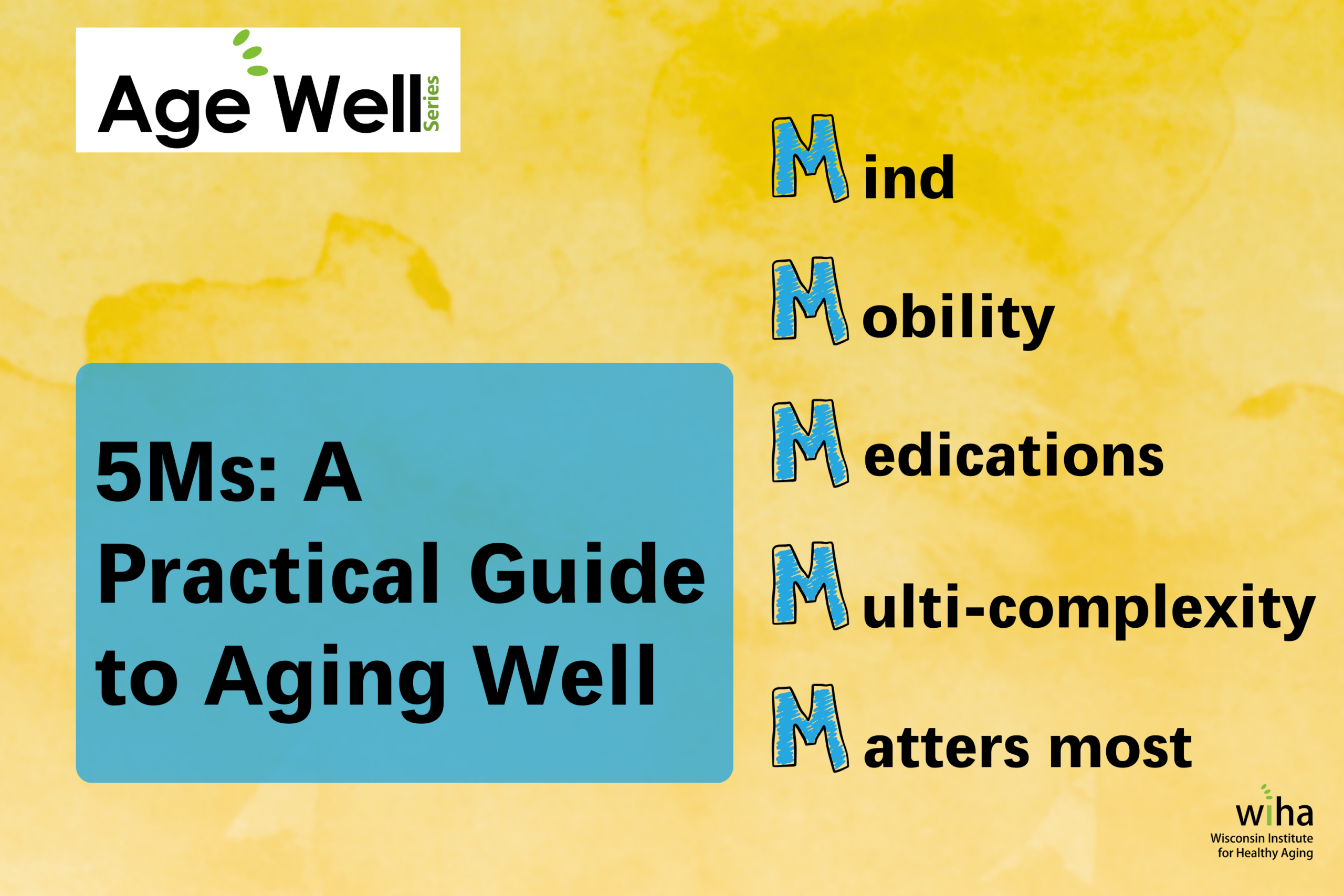

Strong Brains at Every Age: How to Lower Your Risk of Stroke
Keeping our brains and bodies healthy is an important part of aging well. A stroke can happen at any age, but many strokes can be prevented. That’s good news, because it means our daily choices really matter.
A stroke happens when blood flow to the brain is blocked or when a blood vessel in the brain breaks. According to the Center for Disease Control and Prevention, we can lower our risk of stroke by eating well, staying active, not smoking, limiting alcohol, managing health conditions, and taking medicines as prescribed.
Food That Fuels Brain Health
What we eat plays a big role in protecting both the heart and the brain. Research shows that a Mediterranean-style way of eating; rich in vegetables, fruits, whole grains, nuts, fish, and olive oil, is associated with lower stroke risk in many studies. These foods help reduce inflammation, support healthy blood pressure, and keep blood vessels working well.
Fruits and vegetables are especially powerful. They are full of vitamins, minerals, and fiber that help protect the brain over time. Choosing water instead of sugary drinks and cutting back on salty, highly processed foods can also make a difference.
Move More, Feel Better
Physical activity is one of the best tools we have for healthy aging. The Centers for Disease Control and Prevention recommends about 150 minutes of moderate activity each week. That can include brisk walking, dancing, gardening, or anything that gets you moving and raises your heart rate.
Regular activity helps control weight, lower blood pressure, improves blood sugar, and boosts mood. Even short bouts of activity, like a 10-minute walk, add up and support long-term brain health.
Blood Pressure Matters
High blood pressure is one of the strongest risk factors for stroke, even if you feel fine. That’s why checking blood pressure and managing it is so important. Eating patterns like the DASH diet (Dietary Approaches to Stop Hypertension), being active, reducing salt, managing stress, and taking prescribed medications all work together to protect the brain.
Other Smart Steps for Prevention
Smoking and drinking too much alcohol raise the risk of stroke, so quitting smoking and limiting alcohol can greatly improve our overall health. Managing conditions like diabetes, high cholesterol, and irregular heart rhythms is another powerful way to reduce risk. Regular checkups and honest conversations with a health care provider help catch problems early.
Aging with Strength and Confidence
Healthy aging is not about avoiding growing older, it’s about staying strong, independent, and engaged. Small, steady lifestyle changes can lead to big benefits for our brain health. When we eat well, stay active, and support one another in healthy habits, we build a future with more energy, clarity, and confidence – for ourselves and for our whole community.
Find a Workshop
Take charge of your health by taking a WIHA workshop. We offer in-person and virtual (online or by phone) programs that give you the tools to age well. Getting started is easy – simply click the link below.
Enjoyed the newsletter? Subscribe today!