
Age Well with WIHA
A newsletter from the Wisconsin Institute for Healthy Aging
Age Well with WIHA: January/February 2026
WIHA’s newsletter is published bi-monthly and sent by email. View the email newsletter online or read the full stories below. Don’t forget to subscribe!
Age with Strength: Why Building Muscle Matters More Than Ever
Staying active is one of the most powerful tools to protect our health, independence, and quality of life as we age. While activities like walking, yard work, or house chores are all wonderful forms of movement, strength training is one of the most impactful forms of exercise.
Beginning around age 30, adults naturally lose 3–8% of muscle mass per decade, with that rate increasing after age 60. This gradual loss, known as sarcopenia, can lead to weakness, increased falls risk, and reduced independence. The good news? Strength training can slow, counteract, or even reverse these changes.
Benefits of Strength Training for Older Adults
Regular, safe strength training can lead to meaningful improvements in how you feel and function day to day. Research from the CDC, National Institute on Aging, and American College of Sports Medicine highlights the benefits such as:
- Maintaining muscle mass to support mobility and independence
- Improving bone density, reducing the risk of osteoporosis and fractures
- Enhancing balance and lowering fall risk through stronger core and leg muscles
- Boosting metabolism to support weight management
- Reducing joint pain by improving joint stability
- Improving mood and easing symptoms of anxiety and depression
- Supporting better blood sugar control, especially for people with diabetes or prediabetes
- Increasing stamina and energy, making daily tasks easier and more enjoyable
It Is Never Too Late to Begin
One of the most encouraging things about strength training is that we can start at any age. Even in our 60s, 70s, or beyond, starting a regular routine can significantly improve strength and function.
The Physical Activity Guidelines for Older Americans recommend a full-body muscle-strengthening routine at least two days per week. Begin with light to moderate resistance, focus on proper form, and gradually progress. Aim for 8–12 repetitions of each exercise and at least one set, noting that 2–3 sets can provide additional benefits.
Safe and Simple Ways to Start
We don’t need heavy gym equipment or advanced training. There are many safe and practical ways to begin strength training that fit into our daily lives.
Here are great places for beginners to start:
- Bodyweight exercises such as sit-to-stands from a chair, wall push-ups, heel raises, or step-ups.
- Resistance bands, which are affordable, versatile, and joint-friendly.
- Light dumbbells (1–5 lbs to start), used for exercises like bicep curls, overhead presses, or rows.
- Local classes designed for older adults—many senior centers, YMCAs, park & rec departments, or community organizations offer strength or functional fitness classes.
- Evidence-based programs like StrongBodies, Stay Active & Independent for Life (SAIL), Getting Stronger, or other strength-focused workshops.
- Working with a trained professional, such as a physical therapist, certified instructor, or personal trainer experienced in aging populations.
Start Small, Stay Consistent
Strength training just 2–3 days per week can make a measurable difference. Begin with light resistance, focus on good form, and gradually increase reps or weight as you feel stronger. Always check with a healthcare provider before starting if you have concerns or chronic conditions.
Growing Stronger Together
When we make strength training part of our lives, we are choosing to support our health, our independence, and our sense of well-being. As we grow stronger, we may notice that daily tasks feel easier, our balance improves, and we feel more confident in our bodies.
Strength training is a positive and empowering step toward aging well. By practicing it regularly, we give ourselves the opportunity to stay active and enjoy life more fully. This year is a wonderful time for all of us to begin or continue building strength that will support us for many years to come.
Staying Up-to-Date on Your Medications: A Simple Way to Stay Safe and Confident
As we age, many of us take several medications each day to help us feel our best. Over 40 percent of people in the United States over age 65 take four or more prescription medicines daily (JAMA). These medicines can support our health, but some may also bring side effects like dizziness or drowsiness. These side effects can make it easier to lose our balance, but with a little knowledge and attention, we can stay steady, safe, and confident.
The Falls Free® Wisconsin Coalition, a statewide group dedicated to helping us prevent falls, reminds us that understanding our medications is a powerful step toward staying active and independent.
Why Knowing Your Medications Helps You Stay Well
Every medication, including ones we buy without a prescription, can have side effects. The Centers for Disease Control and Prevention (CDC) notes that dizziness is one of the most common side effects linked to falls in older adults. Medicines for pain, sleep, mood, allergies, blood pressure, or bladder control may increase fall risk. This information is not meant to worry us. Instead, it helps us make choices that support our well-being.
Helpful Ways to Stay Safe and Feel Your Best
Here are some easy steps we can take to manage medications with confidence:
- Keep an updated list of everything you take, including prescriptions, over-the-counter medicines, and supplements. Keep this list in a place that is easy to find.
- Talk with your health care provider or pharmacist at least once a year for a medication review. Your health care team can help you understand how each medication supports your health, and if any changes are needed in your medication routine.
- Ask about possible side effects whenever you start something new.
- Notice how you feel. If you experience dizziness, drowsiness, or anything unusual, write it down and share it with your health care provider.
- Take your time when standing up in the morning or rising from a chair. Moving slowly can prevent sudden dizziness.
You Are Supported
If you have had a fall, you are not alone. More than one in four adults ages 65 and older experience a fall each year (CDC). Falls are common, but they do not have to be a normal part of aging. With the right information and support, we can stay active, strong, and independent.
Take the Next Step Toward Aging Well
Medication safety is an important part of preventing falls and feeling confident each day. When we keep our medication list updated, ask questions, and work together with our health care team, we build a healthier future for ourselves and our communities.
To discover more helpful resources, visit FallsFreeWI.org and explore ways to stay safe, independent, and empowered at any age.
Stay Connected, Celebrate Aging, and Thrive!
At WIHA, we believe that getting older can be an exciting time to grow, learn, and connect with others. One of the best ways to stay healthy and happy as we age is through social connection. Research shows that spending time with friends, family, and community helps our minds, bodies, and hearts stay strong.
We are proud to partner with the Wisconsin Coalition for Social Connection, a statewide group working to ensure that everyone, especially older adults and people with disabilities, has opportunities to build meaningful relationships and stay socially engaged. Together, we are creating communities where no one feels isolated and everyone feels valued.
Why Social Connection is Important
Being around people isn’t just fun, it’s good for your health. People who feel connected to others are less likely to feel lonely or depressed. Social connection can even help protect memory and thinking skills. When we spend time with others, our hearts, brains, and immune systems benefit too.
The Power of Quality Relationships
It’s not just about having lots of friends; it’s about having meaningful relationships. Spending time with people who support and encourage us can improve our mental health, help us feel confident, and even make us healthier. Volunteering, joining a club, or taking part in community activities are all great ways to stay connected and active.
How We Can All Make a Difference
- Spend time with others. Connect with friends, family, neighbors, or community groups.
- Join activities you enjoy. Hobbies, classes, or volunteering help us meet new people and have fun.
- Celebrate strengths and wisdom. Encourage older adults and show appreciation for their experiences.
- Be kind to yourself and others. Feeling connected and valued is good for everyone’s mind and body.
Every connection we make helps us grow stronger, feel happier, and live healthier. By staying connected and supporting each other, we can create communities where everyone thrives.
Find a Workshop
Take charge of your health by taking a WIHA workshop. We offer in-person and virtual (online or by phone) programs that give you the tools to age well. Getting started is easy – simply click the link below.
In this Issue
A Heartfelt Thank You From All of Us at WIHA
As we step into a fresh new year, we want to take a moment to share our deep appreciation with everyone who chose to support WIHA throughout 2025. Your gifts help strengthen our mission to empower people across Wisconsin to age well, stay independent, and live life with confidence.
Each donation, no matter the size, helps bring evidence-based programs, falls-prevention resources, and community support to older adults and caregivers throughout our state. Your generosity makes it possible for us to reach more communities, train more leaders, and create spaces where people of all ages can thrive.
Thank you for believing in our work and for being part of a caring community that lifts one another up. Together, we are building a healthier, safer, and more connected Wisconsin.
From all of us at WIHA, we wish you a joyful, healthy year ahead.
Age Well Series
Watch the Recording of Past Events:
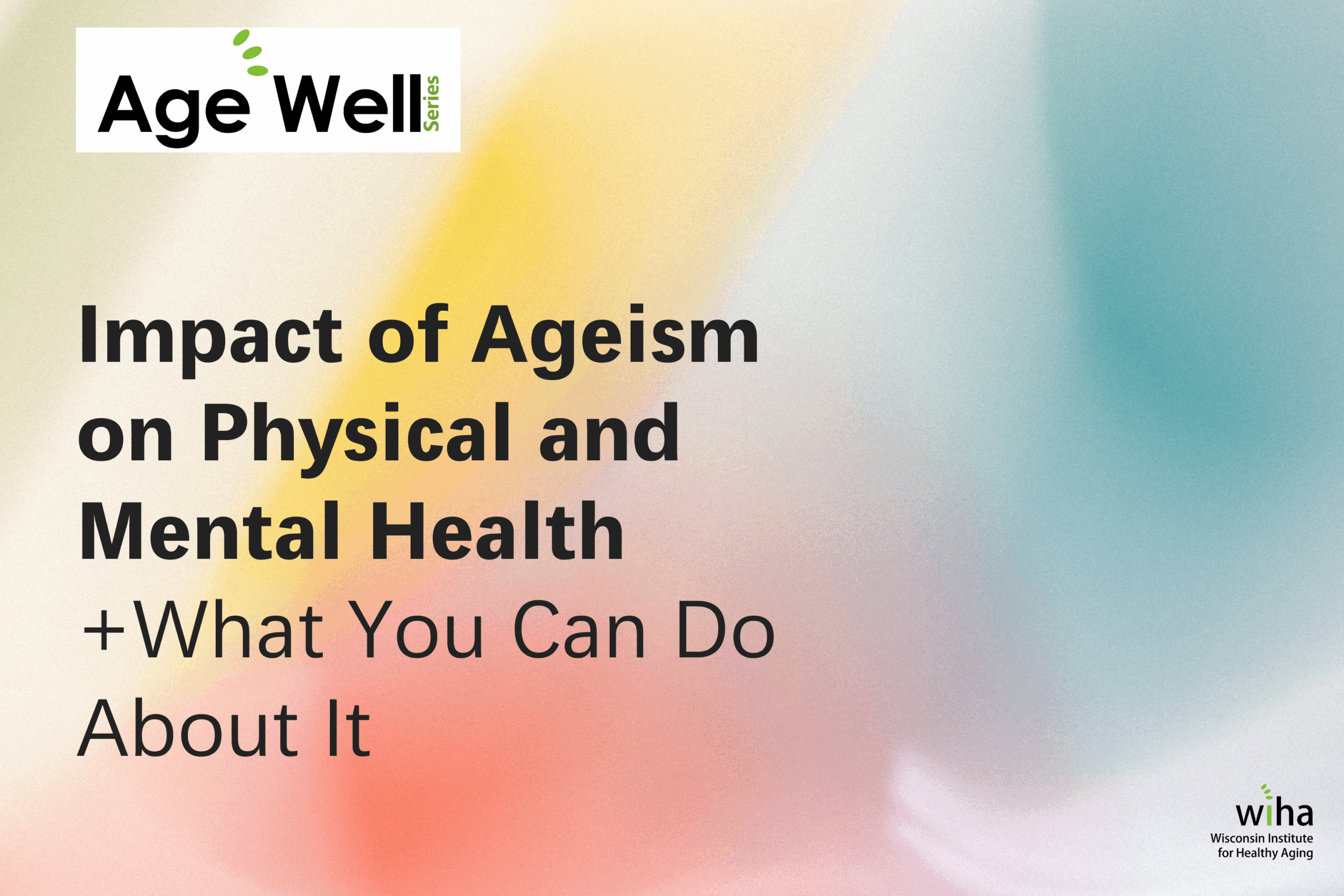
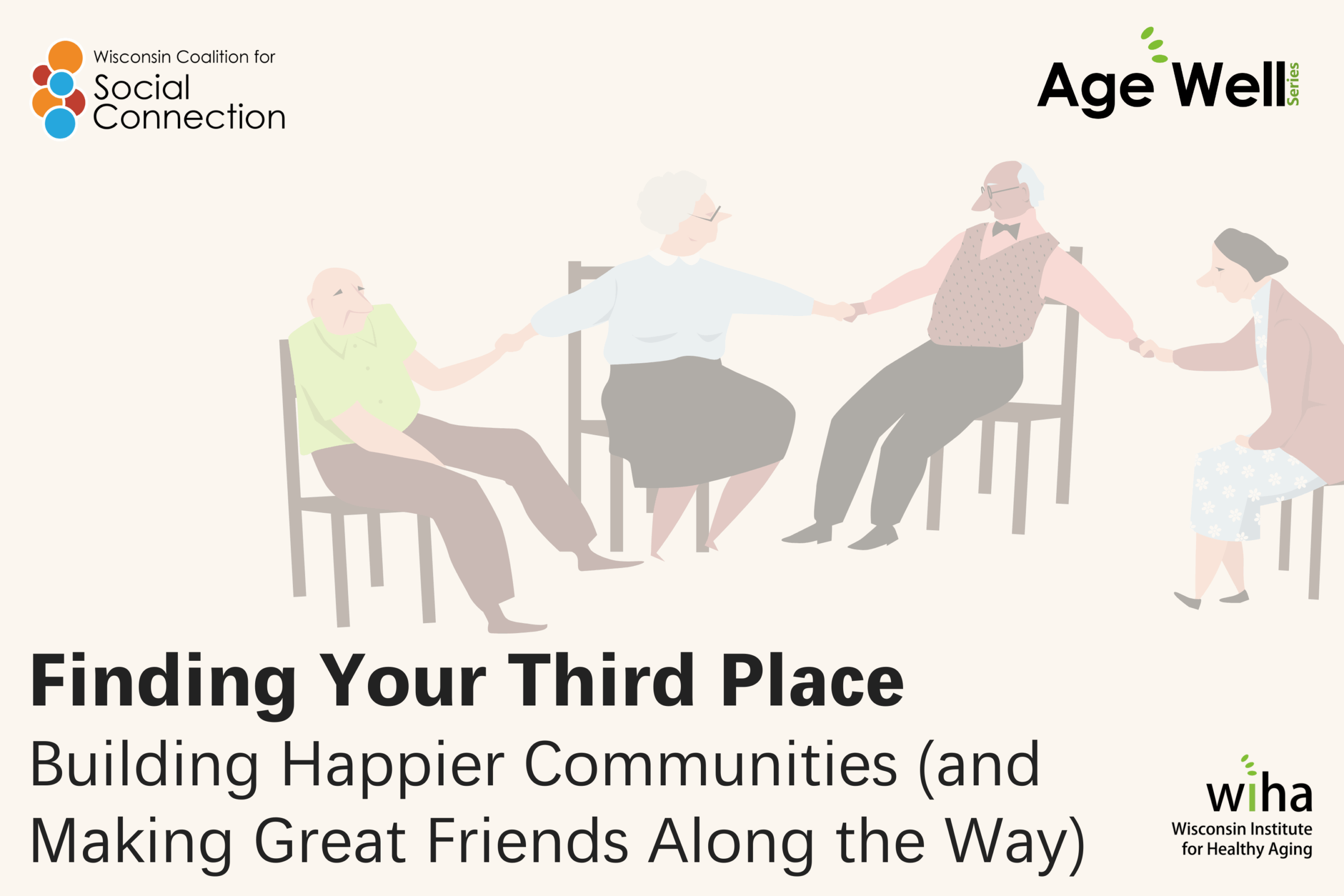
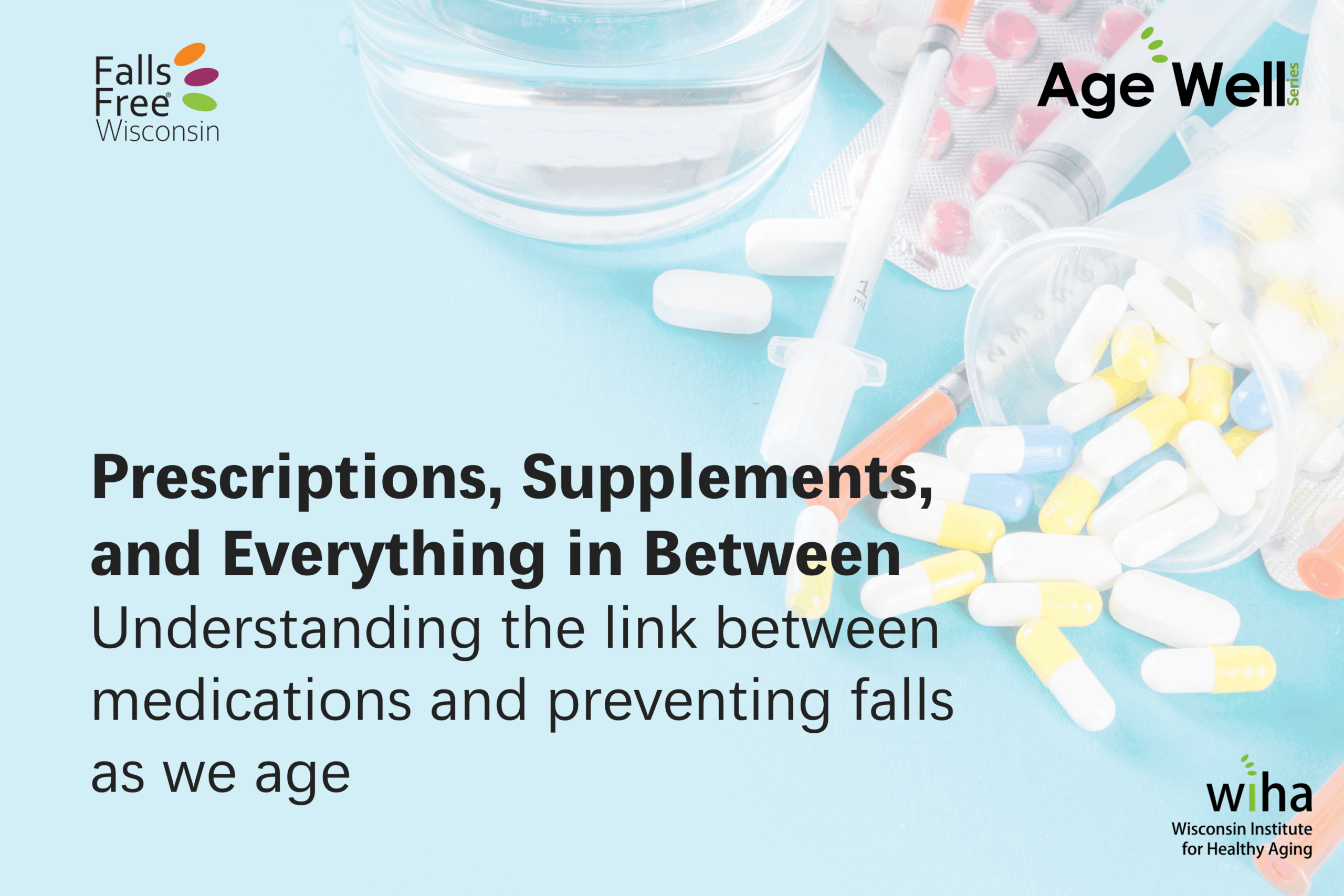
Upcoming Events:

Featured Program: Stepping On
Stepping On is a fun, interactive workshop designed to help prevent falls. Trained facilitators lead the 7-session (2 hours per session) workshop that meets every week. Participants learn balance and strength exercises; discuss the many factors that can cause a fall including vision, footwear, and home hazards; and hear from guest experts such as a pharmacist and physical therapist who attend the sessions and answer questions.
Research: Stepping On is researched and shown to decrease falls by 31%! Fewer falls means fewer injuries, fewer visits to the emergency room, fewer hospitalizations, and fewer deaths due to falls.
Who is it for: Stepping On is designed for older adults that live independently, don’t use a walker indoors, don’t use a wheelchair, and are without a diagnosed cognitive impairment.
How to participate: You can participate in Stepping On in-person or virtually. The workshop is offered in both English and Spanish (Pisando Fuerte). To find a workshop, visit our Find a Workshop page.
“I don’t want to be another stat and I believe the class helped me understand how not to become one.”
Jan Severson
Dane County, WI
Enjoyed the newsletter? Subscribe today!